Clearance services near Highbury and Islington station
Posted on 14/06/2026
Clearance services near Highbury and Islington station: a practical local guide for homes, flats and businesses
If you are searching for Clearance services near Highbury and Islington station, chances are you need something dealt with properly, quickly, and without turning your day upside down. Maybe it is a flat full of old furniture, a post-renovation pile of rubble, or a business unit that needs clearing before a handover. Around this part of North London, space is tight, access can be awkward, and timing matters. That is exactly why a well-run clearance service is so useful.
This guide explains how local clearance works, what to expect, how to compare options, and what to watch out for before you book. You will also find practical steps, a useful checklist, and a plain-English overview of compliance and safety. No fluff. Just the stuff that helps you make a sensible decision.
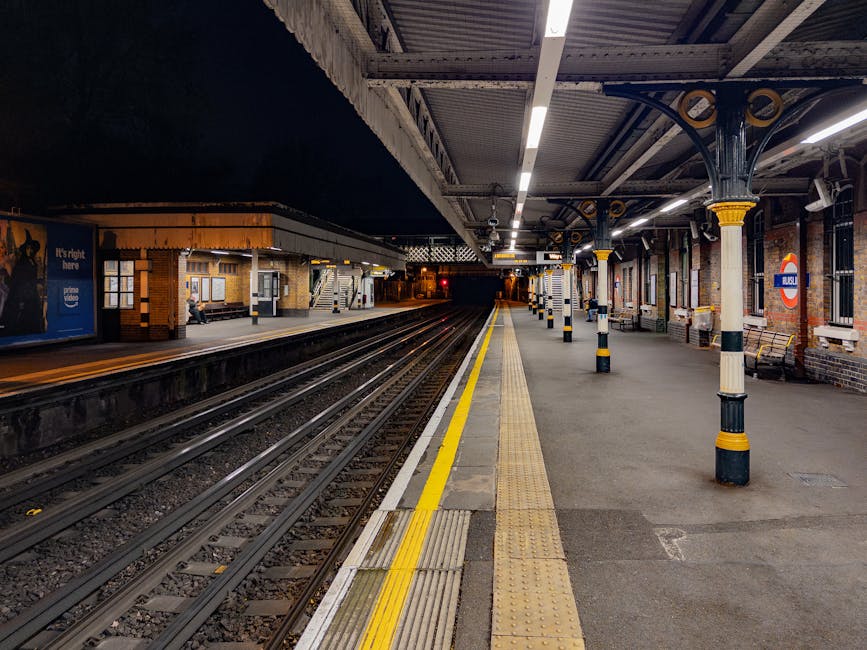
Why clearance services near Highbury and Islington station matters
Highbury and Islington sits in one of those busy London pockets where everyday logistics can become annoying very quickly. Narrow streets, busy pavements, controlled parking, basement flats, top-floor walk-ups, and shared entrances all make waste removal more complicated than it first looks. A clearance job that seems simple on paper can turn into a half-day ordeal if the team is not organised.
That is why local knowledge matters. Clearance services in this area are not just about lifting items into a van. They are about understanding access, planning around traffic, protecting communal areas, and removing waste in a way that keeps neighbours, landlords, and building managers happy. If you have ever stood in a hallway with a wardrobe that will not fit round the corner, you will know exactly what we mean. It is never just a wardrobe, is it?
There is also a broader reason this topic matters: clear, well-managed clearance helps keep homes, rental properties, shop units, and construction sites usable. In a fast-moving part of London, delays can cost money, and clutter can block a sale, a letting, or a renovation. For landlords and sellers, a clean, empty space can genuinely change how a property feels. If you want to see how property condition and presentation affect local appeal, take a look at our property market insights for Highbury.
Practical takeaway: the best clearance service is the one that reduces friction. Around Highbury and Islington station, that means fast coordination, respectful handling, and proper disposal from the start.
How clearance services near Highbury and Islington station works
Most clearance jobs follow a fairly simple pattern, but the details matter. A good service will start with a description of what needs removing, the access conditions, and the kind of waste involved. From there, the team assesses how many workers and what size vehicle are needed. Easy enough in theory. In practice, a cramped stairwell can change everything.
Typical clearance jobs in the area include domestic waste collection, furniture removal, house clearance, garden waste removal, builders waste removal, white goods disposal, and commercial waste removal. The approach changes depending on the job. For example, removing a sofa from a first-floor flat is a very different task from clearing a refurbishment site with broken tiles, timber, and packaging.
A good provider will usually:
- ask for photos or a rough inventory
- confirm access, parking, and any timing restrictions
- give a clear quote or pricing explanation
- arrive with the right people and equipment
- sort items for reuse, recycling, or disposal
- leave the area swept and ready for use where possible
If you are comparing services, it helps to check whether the company offers a broader range of support through its services overview. That gives you a better sense of whether they are set up for small domestic jobs, bigger property clearances, or specialist removals.
One small but important detail: many clearance jobs around Highbury and Islington are time-sensitive. End-of-tenancy deadlines, sale completion dates, refurb starts, and office move-outs do not wait around. A provider that can respond quickly, but still work carefully, is usually worth far more than one that is simply cheap.
Key benefits and practical advantages
The obvious benefit of clearance services is that they remove unwanted items. Fair enough. But the real value goes deeper than that.
1. You save time and physical effort. Carrying bulky waste down stairs, sorting mixed rubbish, and finding disposal routes can eat an entire day. Sometimes two. A professional team handles the awkward lifting and the disposal side, which is often the part people underestimate.
2. You reduce stress. There is something oddly draining about living or working around clutter. Clearing it properly can change the atmosphere of a place. Rooms feel bigger, brighter, and a bit calmer. Not dramatic, but real.
3. You improve safety. Old furniture, broken appliances, sharp materials, and loose debris can create trip hazards. In shared buildings this matters even more, because one messy landing affects everyone.
4. You get a more organised result. Clearance professionals can separate salvageable furniture, recyclable materials, and general waste more efficiently than most people can in a rush.
5. You support better property outcomes. This is especially relevant in Highbury and Islington, where property presentation can influence lettings, sales, and renovation timelines. For a wider local context, our guide to property investment in Highbury shows why presentation and timing matter so much here.
6. You avoid compliance headaches. Waste has to be handled correctly. Choosing a responsible service reduces the risk of fly-tipping problems, skipped paperwork, or items ending up where they should not.
Expert summary: the best clearance services do more than lift and load. They simplify the whole process, protect the property, and leave you with one less thing to think about.
Who this is for and when it makes sense
Clearance services near Highbury and Islington station are useful for a surprisingly wide range of people. It is not just for major house moves or building projects. In our experience, many requests come from ordinary situations that have simply got out of hand.
- Homeowners clearing a loft, cellar, spare room, or garage
- Renters who need to remove leftovers before checkout
- Landlords dealing with furniture, debris, or abandoned items
- Estate executors organising a respectful house clearance
- Business owners disposing of office furniture, stock, or old equipment
- Builders and trades needing removal of rubble, timber, and packaging
- Letting agents and property managers who need quick turnaround between occupants
It also makes sense when you have a mixed pile that is too awkward for standard council collection, or when you simply do not have the vehicle, time, or manpower to move items yourself. A lot of people wait until the pile becomes visually annoying. Truth be told, that is usually the point where action becomes easier than delay.
There are also local situations worth calling out. If you are dealing with a flat near the station, access can be the deciding factor. If you are near a managed block, you may need timed loading and careful communication. If you are close to a shop unit or restaurant, you may need the clearance done early, before trading hours begin. A good service should work around the real world, not the other way round.
Step-by-step guidance
If you want a smoother experience, the process is easier when you break it down. Here is a practical approach that works well for most local clearance jobs.
- List what needs removing. Be specific. "Old furniture" is less helpful than "two sofas, one wardrobe, six bags of mixed waste, and a washing machine."
- Check access. Note stairs, lifts, parking restrictions, permit needs, and whether items must pass through shared hallways.
- Separate anything you want to keep. It sounds obvious, but rushed clearances often go wrong here. Put keepsakes, documents, keys, and chargers somewhere safe.
- Ask for pricing clarity. A provider should explain what affects the quote: volume, weight, labour, access, and waste type.
- Confirm timing. Morning jobs suit busy streets and managed blocks better than vague afternoon windows. A narrow time slot makes life easier for everyone.
- Prepare the space. Move lighter items together if you can, clear a path, and tell neighbours or building management if needed.
- Make sure the team knows what to expect on arrival. One quick walkthrough can prevent surprises. Small thing, big difference.
- Check the result before they leave. Look for missed corners, hidden items, and any damage that needs raising immediately.
If the clearance involves furniture, appliances, or domestic items, it helps to match the job to the right specialist page such as furniture removal in Highbury, white goods and appliance disposal, or domestic waste collection in Highbury.
Expert tips for better results
These are the small things that make a clearance job go from slightly stressful to pleasantly straightforward. Not glamorous, but genuinely useful.
Be realistic about volume. People often underestimate how much space broken furniture, bags, and boxed clutter take up. If in doubt, take photos from a few angles. That helps the provider give a better estimate and helps you avoid awkward last-minute surprises.
Think about access before the day. A van can only do so much if it cannot park close enough. If you are in a busy stretch near the station, confirm where loading can happen. That one conversation can save 20 minutes of faffing later.
Prioritise reuse where sensible. Not everything needs to be treated as pure rubbish. Some furniture, fixtures, and appliances may be suitable for reuse or recycling depending on condition. A responsible clearance company should sort items with that in mind. You can read more about the approach on our recycling and sustainability page.
Keep a simple inventory. If a house or flat is being cleared for a sale or tenancy handover, make a basic list of what should stay and what should go. It sounds a bit old-school, but a written note saves confusion.
Ask what happens after collection. A decent service should be able to explain disposal routes in broad terms, even if they do not give item-by-item treatment details. If they cannot explain the basics, that is a bit of a red flag.
Choose clarity over guesswork. If the quote feels vague, push for detail. If the job feels more complex than expected, say so early. Honest detail at the start almost always beats awkward surprises on the day.
Common mistakes to avoid
Some clearance jobs go wrong for very ordinary reasons. The good news is most of them are easy to prevent.
- Leaving everything until the last minute. This creates rushed decisions and can raise stress fast.
- Underestimating access issues. A third-floor flat without easy parking is not the same as a ground-floor pickup.
- Mixing keep and remove piles. Once things are piled together, mistakes happen. Often.
- Choosing on price alone. The cheapest option is not always the best value if it is slow, unclear, or poorly equipped.
- Ignoring compliance. Waste should be carried and handled properly. If a provider seems casual about that, take care.
- Not checking what is excluded. Certain items may need specialist handling, especially where safety or regulation is involved.
- Assuming all clearances are the same. A garden clearance, a house clearance, and a builders waste job each have different demands.
One classic mistake? Thinking "we can do it ourselves in a couple of hours." Sometimes yes. Often no. By the time you have hired transport, found somewhere legal to dispose of everything, and lifted a mattress down two flights of stairs, the day is already gone.
Tools, resources and recommendations
You do not need much to prepare for a clearance, but a few simple tools can help a lot.
- Phone camera for taking inventory photos and documenting the condition of rooms
- Sticky notes or labels for marking items to keep, donate, or remove
- Heavy-duty bags or boxes for smaller mixed waste
- Tape measure if you need to check whether furniture will fit through a doorway or lift
- Simple checklist for final walkthroughs
If you are comparing providers, look for clarity on service scope, safety, payment, and policy information. These pages are useful if you want to check how a company operates before you book: pricing and quotes, insurance and safety, waste carrier licence and compliance, and payment and security.
If you are planning a larger clear-out or property refresh, it can also help to read the company background on the about us page. That does not tell you everything, but it gives a feel for whether the business is local, organised, and straightforward.
For some readers, especially those dealing with a home sale, tenancy turnover, or a move into or out of the area, the local property picture matters too. Our Highbury suburb guide and is Highbury an ideal place to reside article may also be useful in understanding why presentation carries weight here.
Law, compliance, standards and best practice
Clearance work in the UK needs to be handled responsibly. You do not need to become an expert in waste legislation to book a service, but you should know the basics. The main principle is simple: waste should be collected, carried, and disposed of by a properly authorised provider, and the process should be handled in a way that does not create risk for people or the environment.
In practical terms, that means checking whether the company can explain its waste handling approach clearly, whether it has suitable insurance, and whether it understands the difference between ordinary household waste, builder's rubble, electrical items, and materials that may require special care. For a more detailed look at how a responsible operator frames this, see waste carrier licence and compliance.
Best practice also includes:
- protecting communal areas during removal
- using safe lifting methods and suitable equipment
- avoiding obstruction of pavements or exits
- sorting recyclable and reusable items where possible
- treating customer property with care
For commercial jobs, there may also be added expectations around timing, access control, and confidentiality. If you are clearing an office, unit, or trade premises, a specialist service like commercial waste removal in Highbury is often the better fit than a generic one.
A useful rule of thumb: if a clearance provider is vague about licensing, insurance, or disposal practices, keep asking questions. A good company will not mind. The bad ones usually do.
Options, methods and comparison table
There are a few ways to deal with unwanted items near Highbury and Islington station. The right option depends on what you are clearing, how much there is, and how quickly it needs to go.
| Option | Best for | Pros | Trade-offs |
|---|---|---|---|
| DIY disposal | Very small loads, simple access, plenty of time | Can feel low-cost if you already have transport | Time-consuming, physically demanding, parking and disposal can be awkward |
| Council-style collection | Routine items that fit the rules and schedule | Useful for basic household needs | Less flexible, not ideal for urgent or bulky mixed loads |
| Specialist clearance service | Bulky, mixed, urgent, or access-challenging jobs | Fast, practical, tailored to the property, less hassle | Cost depends on job size and conditions |
| Specialist sub-service | Furniture, builders waste, appliances, gardens, or houses | More precise handling and better job fit | May require clearer planning if the load is mixed |
For a lot of people, the best choice is a hybrid of clarity and convenience: know what needs moving, pick the right type of service, and ask for a quote that matches the actual job. If you are clearing a specific type of waste, it can be worth using a more focused service such as builders waste removal or garden waste removal.
Case study or real-world example
Here is a realistic example based on the kind of work that often comes up around this part of London.
A small flat near Highbury and Islington station is being emptied before a tenancy change. The property has two beds, a wardrobe, a broken bedside table, a washing machine, several bags of mixed household rubbish, and a few items in the hallway. The occupant wants it done quickly because the inventory check is scheduled for the next day. The building has a narrow entrance, a shared staircase, and limited loading time outside. A classic London clearance puzzle, basically.
The smoothest result comes from a simple plan:
- photos are taken of each room before the job
- items are separated into keep and remove piles
- the provider confirms access and parking in advance
- a suitable team arrives with lifting equipment and enough vehicle space
- the clearance is completed in one visit, with the flat left tidy
What makes this work is not just speed. It is coordination. Without that, the same job can become a messy chain of delays, missed items, and stress for everyone involved. If the property is being prepared for market, the surrounding context also matters. This is especially true in a neighbourhood where presentation affects first impressions, as discussed in our rubbish clearance near Emirates Stadium guide and waste removal Holloway Road and N5 guide.
Practical checklist
Use this before booking or on the morning of the clearance. It saves headaches. Simple as that.
- Have you listed every item that needs removing?
- Have you separated keep items from clearance items?
- Have you checked stairs, lifts, access codes, and parking?
- Have you confirmed whether the job includes heavy lifting, dismantling, or appliance removal?
- Have you asked for a clear price explanation?
- Have you checked whether the provider is insured and compliant?
- Have you protected flooring, corners, and communal areas where needed?
- Have you warned neighbours or building management if access might be disrupted?
- Have you decided what should happen to reusable items?
- Have you kept keys, documents, and valuables completely separate?
Quick reminder: if the job includes a lot of furniture or a full room-emptying task, consider booking a more specific service rather than a generic collection. That tends to be smoother and, in many cases, more cost-effective too.
Get a free quote today and see how much you can save.
Conclusion
Clearance services near Highbury and Islington station are most valuable when they remove stress as well as waste. That sounds obvious, but it is the real point. A good service should respect the property, work with the area's access challenges, and make the whole process feel manageable rather than chaotic.
Whether you are clearing a flat, handling a house move, emptying a business unit, or tidying up after building work, the best results come from good planning, clear communication, and a provider that knows how London jobs actually work on the ground. Around here, that practical experience counts for a lot.
If you are at the stage where the clutter is starting to bother you every time you walk past it, that is usually a sign to act. Not tomorrow. Probably now. And once it is done, the relief is hard to beat. Honestly, you notice the difference straight away.