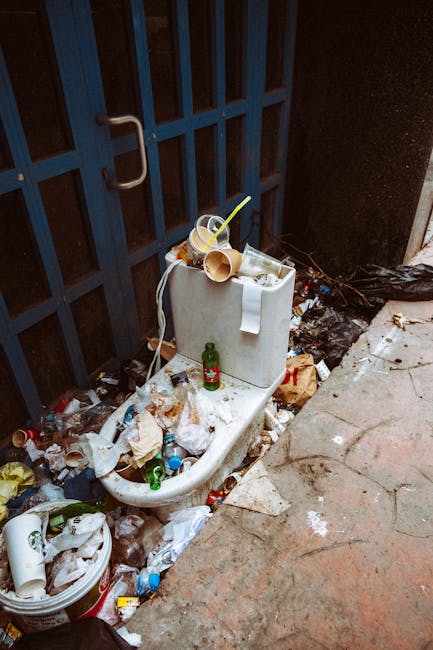
Difficult access flat rubbish clearance Highbury tips
Posted on 24/06/2026
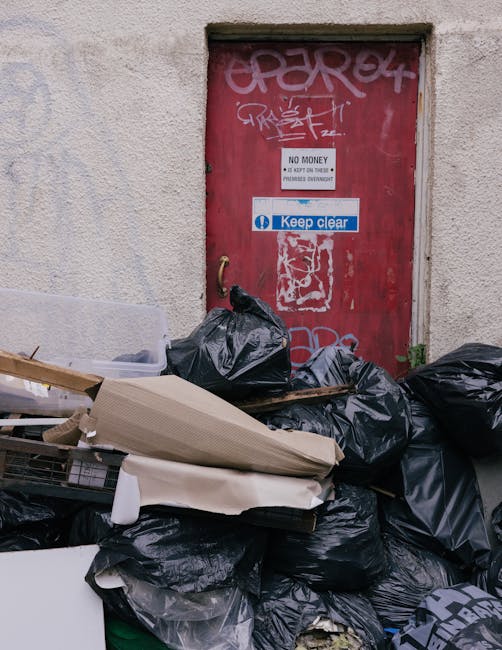
If you live in a top-floor flat, a converted townhouse, or a building with a narrow stairwell and awkward parking, rubbish clearance can feel oddly complicated. In Highbury, that is not unusual at all. Tight hallways, shared entrances, limited bay space, basement storage, and no lift can turn a simple clear-out into a bit of a chess game. These Difficult access flat rubbish clearance Highbury tips are here to make that job easier, safer, and far less stressful.
Whether you are clearing a single sofa, a stack of black bags, or a full flat after a tenancy change, the trick is not brute force. It is planning. Good access checks, sensible sorting, the right loading method, and clear communication can save time, reduce damage, and help keep costs under control. Let's face it, nobody wants a bulky wardrobe stuck halfway down a staircase at 8:15 on a wet Tuesday morning.
In this guide, you will find practical advice for difficult access rubbish removal in Highbury, including what to check before booking, how the clearance usually works, the common mistakes people make, and how to choose the most suitable removal option for your building.
- Why it matters
- How the process works
- Key benefits and practical advantages
- Who this is for and when it makes sense
- Step-by-step guidance
- Expert tips for better results
- Common mistakes to avoid
- Tools, resources and recommendations
- Law, compliance and best practice
- Options and comparison table
- Real-world example
- Practical checklist
- Conclusion
- Frequently asked questions
Why Difficult access flat rubbish clearance Highbury tips Matters
Difficult-access flat clearance is not just about getting waste out of a building. It is about getting it out without damaging walls, stairs, lifts, door frames, or relations with neighbours. In Highbury, many flats sit in period buildings or converted properties, which often means limited manoeuvring space and shared access rules. One wrong move and the job becomes slower, messier, and more expensive.
Access issues also affect what can be removed safely. A bulky item that looks manageable in a living room may be a nightmare on a narrow turn. Old furniture can be heavier than expected, and white goods are awkward even before you factor in steps or tight landings. That is why a local, realistic plan matters so much.
There is also the time factor. If a clearance team has to keep stopping to shift items around a small staircase, they will work more slowly. If parking is tricky, loading may need to happen from a distance. If the building has restricted hours or a shared entry code, the whole schedule can slip. Good preparation helps you avoid all that.
For many Highbury residents, the main value is peace of mind. You want the flat cleared properly, with the least disruption possible. A little forethought goes a long way. A very little, actually.
Key takeaway: difficult access jobs are won or lost before anyone starts lifting. Measure, sort, plan the route, and make sure the right team is briefed properly.
How Difficult access flat rubbish clearance Highbury tips Works
A well-run difficult access clearance usually starts with a basic review of the property. That may be done by photos, a phone call, or an in-person assessment, depending on the scale of the job. The aim is simple: work out what needs removing, how it gets out, and whether there are obstacles such as stairs, tight corners, low ceilings, shared halls, or no parking nearby.
From there, the clearance plan is built around the most efficient route. For example, a first-floor flat with a wide staircase may be straightforward, while a third-floor flat with a narrow spiral stair and no lift will need more care. In some cases, furniture may need partial dismantling before removal. In others, the best option is to move items in stages and use protective materials to avoid scuffs.
The team then loads the waste in a way that suits the building and the street. That might mean carrying smaller loads down multiple trips, parking as close as legally possible, or using protective covers to reduce the chance of damage. If the access is especially awkward, the operatives may need to work more slowly and in a more controlled sequence. That is normal. It is better to go steady than to rush and regret it.
For mixed loads, sorting often happens as the clearance is carried out. Reusable items, recyclable materials, and general waste may be separated where practical. If you want a clearer idea of the kinds of services that can be combined, the services overview is a sensible place to start.
Key Benefits and Practical Advantages
The biggest advantage of dealing with a difficult-access flat properly is reducing stress. Once the access plan is in place, the job feels much more manageable. You know where items are going, what needs to be ready, and how long things are likely to take. That calm, orderly approach makes a real difference on moving day or clearance day.
Another major benefit is protecting the property. Tight spaces and heavy items are a risky combination. A careful team can reduce the chance of chips, dents, and scraping along stair rails or walls. That matters in rented flats especially, where avoidable damage can lead to awkward conversations later.
There is also a cost angle. The more efficiently a clearance is planned, the less wasted labour there tends to be. That does not mean difficult access is always cheap, because it is not. But it does mean the job is less likely to spiral because of avoidable delays. If you want to understand how pricing is typically handled, it is worth looking at the page on pricing and quotes.
And then there is the environmental side. Careful sorting can make it easier to divert suitable items away from general disposal. If you are trying to keep things responsible, the company's recycling and sustainability approach is worth reading about before you book.
| Benefit | Why it matters in a difficult-access flat | What you gain |
|---|---|---|
| Better planning | Routes and obstacles are checked before lifting starts | Less delay, fewer surprises |
| Property protection | Stairs, walls, and door frames can be protected in advance | Lower risk of damage |
| Clearer pricing | Access issues can be assessed honestly, not guessed at | More realistic quote |
| Safer lifting | Bulky items may need disassembly or team lifting | Reduced injury risk |
| Better disposal outcomes | Items can be sorted for reuse or recycling where suitable | Less waste, better responsibility |
Who This Is For and When It Makes Sense
This advice is for anyone living in or managing a flat with awkward access. That includes top-floor conversions, basement flats, mansion blocks with limited lift space, and properties with narrow shared hallways or steep staircases. If you have ever tried to get a mattress around a landing and thought, "well, that's not fitting," this section is for you.
It is especially useful if you are:
- moving out of a rental flat and need a fast clear-out
- clearing a deceased estate or family home with limited access
- disposing of old furniture, boxes, or mixed household waste
- getting rid of renovation debris from a flat refurbishment
- needing a same-day or short-notice removal in Highbury
- trying to avoid lifting heavy items through communal areas on your own
It also makes sense if you are comparing options and trying to decide whether to use a man-and-van type service, a full clearance team, or a more specific removal service. For example, if you only need bulky furniture taken away, a page like furniture removal in Highbury may be the most relevant match. If the flat is being emptied as a whole, then house clearance in Highbury can be a better fit, even when the property is technically a flat.
Step-by-Step Guidance
Here is the practical sequence we recommend for difficult-access flat clearances. It is simple enough, but the detail matters.
- Walk the route first. Check the front door, stairwell, hallway turns, lift size, and any parking restrictions. If it looks tight to you, it will look tight on the day too.
- Measure the awkward items. Sofas, wardrobes, bed frames, washing machines, and large desks should be measured before booking. Width is not enough. Height and depth matter as well.
- Sort your waste into clear groups. Put keep, donate, recycle, and remove into separate piles if you can. The job becomes more efficient almost immediately.
- Identify anything that needs dismantling. Flat-pack furniture, bed frames, shelving, and some wardrobes are much easier to move in parts. Do not wait until the van arrives to think about it.
- Clear the access path. Shoes, plant pots, bins, bikes, child gates, and loose clutter around the door can slow everything down.
- Tell the team about restrictions. Mention entry codes, concierge hours, parking limits, stair width, and whether there is a lift. Small details save a lot of trouble.
- Prepare the communal space. If the building is busy, give neighbours advance notice where appropriate. It is simple courtesy, but it helps.
- Use proper lifting and protection. Heavy or awkward items should be carried with the right technique and, where needed, protective coverings for floors and walls.
- Allow a realistic time window. Difficult access jobs rarely run on the same clock as an easy ground-floor job. Build in a little breathing room.
If you are near busier parts of Highbury, local traffic and parking can matter as much as the building itself. For broader area context, it can help to read about rubbish clearance near Emirates Stadium or the practical notes on clearance services near Highbury and Islington Station.
Expert Tips for Better Results
Here is where the small gains happen. These are the little things that make a difficult-access flat clearance feel much smoother.
Tip 1: Photograph the access route. A few phone photos of the stairwell, front entrance, and largest items can be surprisingly useful. They help a clearance team judge the likely route before arrival. It is not glamorous, but it works.
Tip 2: Remove doors only if needed. Some internal doors or wardrobe doors can be removed to create a bit more room, but only if you are confident doing it safely. If not, leave it alone. Scratched hinges are not a badge of honour.
Tip 3: Keep fragile items separate. Glass, crockery, mirrors, and loose electronics are best boxed or bagged clearly. That prevents breakage and makes sorting easier later.
Tip 4: Watch for hidden weight. A sofa that feels light in the room may be awkward once tilted on a stair landing. A chest of drawers packed with books is another classic surprise. Quite the little trap, that one.
Tip 5: Ask about insurance and safety. If a clearance involves awkward lifting, shared spaces, or expensive flooring, it is sensible to check how the team handles safety and accidental damage. The page on insurance and safety is useful for that sort of reassurance.
Tip 6: Be honest about the volume. Underestimating the load often causes more disruption than the access itself. A clear, accurate description usually gives a better result than trying to make the job sound smaller.
Tip 7: Plan around building life. In a busy block, people are coming and going, delivery drivers are trying to squeeze through, and someone may be carrying a pram down the hall. Pick a quieter window if you can. It makes the whole job feel calmer.
In our experience, the smoothest difficult-access clearances are rarely the ones with the fanciest equipment. They are the ones where the customer has done the simple prep: measured properly, sorted the items, and warned us about the awkward turn at the top of the stairs.

Common Mistakes to Avoid
Most problems with difficult-access flat rubbish clearance are avoidable. Not all of them, of course, but a fair number.
- Booking without measuring the largest item. A sofa, wardrobe, or mattress can look manageable right up until the removal team reaches the landing.
- Forgetting about parking. In Highbury, you may have access to the building and still struggle with the van position. That becomes a delay very quickly.
- Leaving everything in one pile. If mixed waste, reusable furniture, and fragile items are all stacked together, the job takes longer and becomes less tidy.
- Not telling anyone about lift restrictions. A lift that is tiny, slow, or out of service changes the whole plan.
- Trying to carry something too heavy alone. That is a common one. Truth be told, it is also the one that tends to end badly.
- Ignoring communal rules. Shared entrances and hallways need a bit of care. Noise, mess, and blocked access can upset neighbours fast.
- Waiting until the last minute to dismantle furniture. Once the clearance slot has started, time gets tight. Tight means pressure.
A more subtle mistake is assuming that every clearance is the same because the flat size is similar. Two one-bedroom flats can be completely different if one is on the ground floor and the other is up four flights of stairs with a bendy corridor. The access matters more than the room count sometimes.
Tools, Resources and Recommendations
You do not need a van full of specialist gear to prepare properly, but a few basic tools help a lot.
- Tape measure: for checking item dimensions and tricky door widths
- Phone camera: for photos of access points, staircases, and bulky items
- Strong gloves: useful for moving rough-edged waste or old packaging
- Furniture sliders or blankets: helpful for protecting floors during repositioning
- Marker pen and labels: ideal for sorting keep, donate, recycle, and remove piles
- Torches or head torches: handy for dim basements, cupboards, and under-stair storage
If you are looking for broader service support rather than a one-off pickup, the page on domestic waste collection in Highbury can help you compare typical household removal needs. For renovation debris or post-project mess, builders waste removal in Highbury is the more relevant route.
For local context and a sense of how rubbish clearance fits into Highbury living more generally, a few related reads are useful too: Uncover Highbury's hidden-gem appeal, Is Highbury an ideal place to reside?, and avoid hidden rubbish clearance costs in Highbury.
Law, Compliance, Standards, or Best Practice
When rubbish is being taken away, especially from flats and shared buildings, compliance is not just a box-ticking exercise. It is part of doing the job properly. Waste should be handled by a responsible carrier, and customers should feel comfortable asking basic questions about licensing, disposal routes, and safety.
You do not need to become an expert in waste law to book a clearance, but it is sensible to check that the provider follows recognised UK waste-handling practice. That includes lawful transport of waste, suitable sorting, and proper disposal or transfer where required. If a company cannot explain this clearly, that is a warning sign.
Safety also matters in a physical sense. Narrow staircases, shared hallways, and heavy items create obvious risks. Good practice usually includes lifting in pairs where needed, protecting surfaces, keeping exits clear, and not forcing oversized items through spaces where they plainly do not fit. A bit of restraint is often the smartest safety measure in the room.
If you want to know how a provider approaches this side of the job, the page on waste carrier licence and compliance is a practical place to read more. If payment security matters to you, especially for scheduled jobs or deposits, the page on payment and security is also worth a look.
Best practice in flats also includes respecting building access rules, neighbour privacy, and any lift or hallway restrictions. That is not just polite. It avoids delays and keeps the whole process smoother for everyone involved.
Options, Methods, or Comparison Table
There is more than one way to handle difficult-access flat rubbish clearance. The right choice depends on how much waste you have, how tight the access is, and how quickly you need the job done.
| Method | Best for | Pros | Limitations |
|---|---|---|---|
| Self-clearance | Small loads, light items, easy ground-floor access | Cheapest in cash terms, full control | Time-consuming, physically demanding, tricky with stairs |
| Man and van collection | Moderate loads, a few bulky items, short-notice removals | Flexible, practical, often quick | May be less suitable for very large or complicated clearances |
| Full flat clearance team | Large jobs, estate clearances, multiple bulky items, awkward access | Efficient, safer for heavy lifting, more thorough | Usually the most expensive option, but often the most realistic |
| Specialist item removal | Sofas, appliances, beds, or single oversized items | Targeted, simple, less disruption | Not ideal if you have a mixed load or full flat to empty |
For a lot of Highbury flats, the middle ground is best: not quite a full house clearance, but more than a simple single-item pickup. If that sounds like your situation, using the right service page as a starting point makes planning easier, especially when the access is the thing making life difficult rather than the waste volume itself.
Case Study or Real-World Example
Here is a realistic example. A tenant in a second-floor Highbury flat needed to clear out a bed frame, mattress, small wardrobe, two chairs, and about a dozen bags of mixed household items. The staircase was narrow, the landing turned sharply, and there was no lift. Parking outside was also limited because of local traffic and neighbouring deliveries.
The job did not need heroics. It needed preparation. The tenant measured the bed frame and wardrobe, sent photos of the stairwell, and separated fragile items from general waste in advance. The wardrobe was partly dismantled before the team arrived, which made the staircase route much easier. The collection was completed in a steadier, safer way, with no scraping on the walls and no need to keep pausing to rearrange everything on the landing.
The practical lesson? The access issue was real, but it was manageable once the route was known. That is usually how these jobs go. The problem feels bigger before the plan is in place.
Another small but important detail: because the customer had already checked the size of the largest items, there were no awkward surprises at the front door. That alone probably saved half an hour. Maybe more. Those little moments add up.
Practical Checklist
Use this checklist before booking or carrying out a difficult-access flat clearance in Highbury:
- Measure the largest items, including height, width, and depth
- Check stair width, turns, and any low ceilings or awkward landings
- Confirm whether there is a lift and whether it is large enough
- Note parking restrictions, permit zones, and loading space nearby
- Take photos of the route from flat to street
- Separate reusable items, recyclables, and general waste
- Clear the entrance and hallway of loose clutter
- Tell the team about access codes, concierge rules, and time restrictions
- Protect floors and walls where needed
- Allow extra time for awkward buildings or heavy items
- Check licence, safety, and insurance information before booking
- Keep the plan flexible if a piece needs dismantling on arrival
Short version: measure first, sort first, and warn people early. It saves the most headaches.
Get a free quote today and see how much you can save.
Conclusion
Difficult access flat rubbish clearance in Highbury does not need to be stressful. Once you understand the access route, the item sizes, the building rules, and the safest way to move everything, the job becomes far more predictable. That is really the heart of it.
The best results come from honest planning and a realistic approach. Measure carefully, communicate clearly, and choose the clearance method that suits the flat rather than the one that sounds easiest on paper. If you do that, you reduce delays, protect the property, and make life a lot easier for yourself and everyone else involved.
And if the whole thing still feels a bit much, that is completely normal. Awkward flats are awkward flats. But with the right preparation, they are very manageable. One careful step at a time, really.