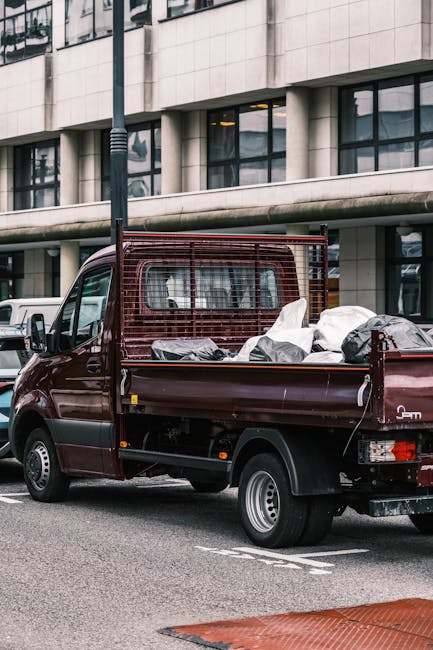
Rubbish removal Gillespie Road N5 tips for flats
Posted on 29/05/2026
Flat living on or near Gillespie Road in N5 can be wonderfully convenient, but rubbish removal is one of those jobs that can go from easy to awkward very quickly. Shared hallways, narrow stairwells, parking pressure, lift etiquette, bin-store rules, and the simple fact that your neighbours still have to walk past your stuff all matter. If you are trying to clear a single sofa, a pile of cardboard, or a full flat after a move, the right approach saves time, money, and a fair bit of stress.
This guide brings together practical Rubbish removal Gillespie Road N5 tips for flats, with a focus on real-world apartment life: what works, what tends to go wrong, and how to keep things tidy, compliant, and neighbour-friendly. You will also find a simple step-by-step process, a comparison of common removal options, and a checklist you can use before anyone lifts a bag. Truth be told, that little bit of planning makes a big difference.
For readers who want a broader view of the service options available in the area, the services overview is a useful starting point, and the company's pricing and quotes page helps set expectations before you book.
Why Rubbish removal Gillespie Road N5 tips for flats Matters
Flats create a different waste-removal challenge from houses. You may have less storage space, less loading space, and less freedom to leave bags out "just for a minute". In a block, one person's quick tidy-up can become everyone else's inconvenience if bags are left in the corridor or bulky items are dragged through shared areas without warning.
On streets around Gillespie Road, that matters even more because access can be tight and parking can be frustrating. A single missed detail, like not knowing where the collection vehicle can stop, can turn a 20-minute job into a whole afternoon. And nobody wants a sofa stuck in the stairwell while the lift is out of service. That is the sort of thing that sounds funny afterwards, not during.
The other reason this matters is compliance. Fly-tipping, overfilled bins, and careless disposal can create issues for residents and landlords alike. If waste is collected properly, you reduce mess, reduce complaints, and make the whole building feel calmer. A tidy common area does not sound dramatic, but it changes the mood of a building more than people think.
If your flat clearance is tied to a move, renovation, or rental turnover, it can help to read related local context too, such as the Highbury property market insights and the guide on whether Highbury is an ideal place to reside. Those pages are not about rubbish directly, but they do give a sense of the local housing environment and why efficient flat management matters.
How Rubbish removal Gillespie Road N5 tips for flats Works
In practice, flat rubbish removal usually follows a simple pattern: you sort what is being removed, check access, decide whether items need carrying down stairs or via a lift, and book a collection that suits the building and the volume of waste. Sounds straightforward. In real life, a few small decisions determine whether the job is smooth or messy.
Most flat removals fall into one of three scenarios:
- Small domestic clearance - a few bags, a broken chair, boxes, unwanted kitchen items, or post-move clutter.
- Bulky item removal - sofas, wardrobes, mattresses, appliances, and anything awkward to carry through a shared building.
- Full or partial flat clearance - when a tenant moves out, a property is refreshed, or a home needs a deeper clear-out.
For flats, the collection team usually needs to know about stair access, lift availability, where they can park, whether the item can fit through doors and turns, and whether any items need special handling. That detail helps avoid wasted time and protects the building from scuffs and knock marks. It also helps keep your costs honest, which is always a good thing.
Waste should be handled by a provider with proper procedures, and you can check the basics on the waste carrier licence and compliance page. If you are unsure whether your collection needs a one-off domestic visit or something more specialised, the domestic waste collection service page can help you understand the fit.
Key Benefits and Practical Advantages
There is a reason people increasingly choose a professional rubbish removal service for flats rather than trying to do everything themselves. The obvious benefit is convenience, but the real value goes deeper than that.
- Less hassle with bulky items: A second-floor sofa is not a casual DIY task, especially in a narrow stairwell.
- Cleaner shared spaces: Quick, coordinated removal reduces the chance of bags lingering in the hallway or bin store.
- Better time management: One booking can clear in a single visit instead of multiple trips to a local disposal point.
- Reduced risk of damage: Proper lifting and carrying methods help protect walls, floors, and door frames.
- More predictable pricing: Good quotes are usually easier to understand than piecemeal disposal costs.
- Recycling opportunities: Many loads contain materials that can be sorted for responsible recycling rather than mixed disposal.
One practical advantage people overlook is emotional relief. Clearing a flat after a move, refurbishment, or family change can feel heavy before it starts. Then, once the bags go and the space opens up a bit, you can almost hear the room breathe. A small thing, but it matters.
If sustainability is important to you, take a look at the company's recycling and sustainability information. It is a useful reminder that disposal does not have to mean wasteful disposal.
Who This Is For and When It Makes Sense
This kind of service is useful for a wide mix of flat residents and property professionals. If you live in a studio, a converted Victorian flat, a purpose-built block, or a rented apartment with limited storage, you probably already know the pain of "I'll deal with that later" turning into a mountain of stuff by the window. Yes, the hallway chair counts. Unfortunately.
It makes sense if you are:
- moving in or moving out of a flat
- clearing a spare room, loft cupboard, or balcony clutter
- getting rid of furniture that no longer fits the space
- disposing of white goods or old appliances
- preparing a rental flat for viewings or handover
- managing waste after light renovation or decorating
- helping a relative downsize from a long-held home
It is also useful for landlords, letting agents, and building managers who want a clean turnaround without turning the building into a temporary storage zone. If the job involves more than a single item, a plan helps. If it involves a few awkward items, a plan helps even more.
For property owners and investors, nearby local context can matter too. Pages like the Highbury property investment guide and Uncover Highbury, London's hidden gem suburb show how presentation and maintenance can support long-term value. A clean flat is not just nice to look at; it signals care.
Step-by-Step Guidance
Here is a practical way to handle flat rubbish removal without overcomplicating it. Keep it simple and methodical. That tends to work best.
1. Sort items by type
Start with a quick room-by-room sort. Put general rubbish, recycling, bulky furniture, appliances, and reusable items into separate groups. This makes the collection easier to plan and prevents unnecessary handling later on.
2. Check what needs special treatment
Some items are straightforward; others need more care. Mattresses, fridges, freezers, and certain electrical items can require specific handling. If a sofa has hidden damage or a wardrobe is too wide to pass through a hallway, note that before booking. Little details save a lot of awkwardness.
3. Measure access points
Measure doorways, stair corners, and lifts if you are dealing with bulky items. A tape measure is unglamorous, I know, but it is far better than guessing. If a wardrobe will only just fit, "just" can become "no" very quickly once you hit the turn in the corridor.
4. Consider building rules and neighbours
Check whether your block has rules about moving large items through communal areas, using lifts, or booking service access. Try to avoid peak times if possible. Early morning removals may work well in some buildings; in others, lunchtime is calmer. It depends on the block.
5. Request a clear quote
Give accurate details about volume, item type, access, and floor level. A good quote should reflect the real job rather than a vague guess. If you need guidance on cost structure, the pricing and quotes page is a useful reference.
6. Prepare the items before collection
Bag loose waste, tape shut boxes, remove personal items from drawers, and separate anything you want to keep. If you are clearing a flat in a hurry, it is easy to throw a charger or key set into the wrong pile. Happens all the time.
7. Keep routes clear on the day
Open the necessary doors, move fragile items out of the way, and make sure the path to the entrance is clear. If you have shared access, let neighbours know when possible. The collection goes faster, and everybody stays less grumpy. Simple, really.
8. Confirm disposal and recycling
Ask what happens to the collected items. Responsible operators should be clear about reuse, recycling, and lawful disposal. If you want a deeper look at standards, the insurance and safety page is also worth checking for reassurance around handling and protection.
Expert Tips for Better Results
A few small habits can make flat rubbish removal much easier. These are the little things that, in our experience, save people the most trouble.
- Disassemble furniture where possible. Flat-pack items, table legs, bed frames, and shelving often become easier to carry once broken down.
- Label piles clearly. A simple marker note like "keep", "donate", or "remove" reduces confusion when several people are involved.
- Don't overfill bags. Heavy bags tear, create trip hazards, and slow down handling in stairwells.
- Check the lift first. If it is unavailable, the route plan changes immediately.
- Keep fragile items separate. Glass, mirrors, and small electronics should not be bundled together with general waste.
- Think in zones. Deal with one room at a time so the flat does not become more chaotic before it becomes tidy.
One more thing: if you are clearing after a renovation, dust is sneaky. It gets into corners, shoes, and the back of your coat collar like it owns the place. A quick sweep before removal makes the flat feel properly reset.
For renovation-related waste, the builders waste removal page is a relevant companion resource. It is especially useful if your flat work has involved plaster, timber offcuts, packaging, or other light construction debris.
Common Mistakes to Avoid
Most problems with flat clearance are avoidable. The trick is knowing where people usually slip up.
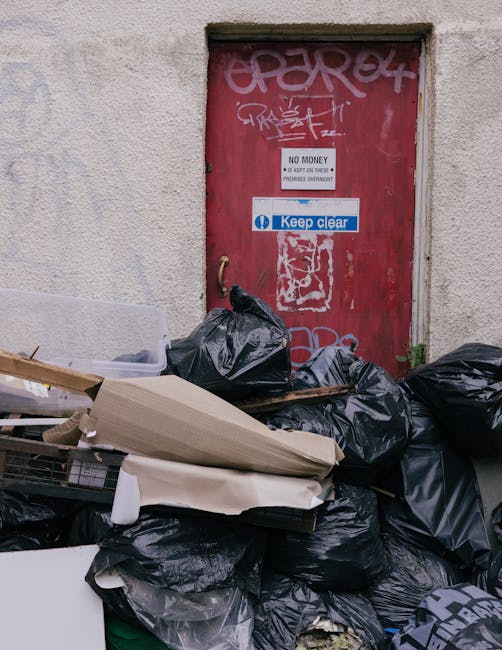
- Leaving bags in communal areas: This can irritate neighbours and may breach block rules.
- Underestimating item size: A "small" wardrobe can become an obstacle if it has to turn in a tight landing.
- Not telling the collector about access issues: Stairs, lifts, permits, and parking all matter.
- Mixing waste streams carelessly: Keeping recyclables separate can improve the outcome and often the efficiency.
- Forgetting about service charges or management permissions: Some buildings need notice for larger removals.
- Using an unverified waste carrier: This is a risk to your peace of mind and, in practice, to your legal responsibility too.
The most common mistake is probably this: assuming the job is smaller than it really is. It feels harmless at first. Then suddenly you have a mattress, two broken chairs, six bags, and a printer from 2009 that nobody has used in years. Funny how that happens.
Tools, Resources and Recommendations
You do not need a warehouse of gear, but a few simple tools help a lot.
| Tool or resource | Why it helps | Best use in a flat |
|---|---|---|
| Tape measure | Checks furniture and doorway fit | Before moving bulky items |
| Marker labels | Separates keep/remove/recycle piles | During room-by-room sorting |
| Strong bags or boxes | Reduces breakage and spillage | Loose waste and small items |
| Gloves | Protects hands from sharp edges and grime | Handling mixed clutter |
| Phone photos | Helps when requesting a quote | Before the collection team arrives |
On the information side, a few pages on the site can be helpful depending on what kind of clearance you need. The furniture removal page is ideal for bulky household items, while white goods and appliance disposal is useful if you are getting rid of fridges, washers, or other large electrical items.
If you are still weighing up whether to use a professional service or handle the job yourself, the about us page can give you a better sense of the team behind the service and how they approach local waste work.
Law, Compliance, Standards, or Best Practice
For flat rubbish removal in the UK, the key principle is simple: waste should be handled by a responsible, authorised carrier and disposed of properly. You do not need to become an expert in waste law to book a collection, but you should know the basics so you can choose safely.
Good practice usually includes the following:
- Use a licensed waste carrier and check that the provider can explain how waste is handled.
- Keep records where appropriate, especially for landlord, letting, or commercial arrangements.
- Do not leave items in communal spaces unless building rules and the service arrangement clearly allow it.
- Handle hazardous or unusual items separately and disclose them in advance.
- Follow building management instructions for access, loading, and lift use.
It is also worth understanding that "best practice" is not just about paperwork. It includes safe lifting, not blocking fire routes, protecting walls and floors, and making sure the collection is done without upsetting the building. That last part sounds soft, but it is a real quality marker. People remember whether a job was respectful.
For customers who want added confidence around the practical side of a collection, the insurance and safety and compliance pages are the most relevant trust signals on the site.
Options, Methods, or Comparison Table
There are several ways to clear rubbish from a flat, and the best one depends on volume, urgency, access, and how much lifting you want to do yourself.
| Method | Best for | Pros | Trade-offs |
|---|---|---|---|
| DIY to local disposal point | Very small loads | Can be cheap if you already have transport | Time-consuming, parking issues, multiple trips |
| Self-managed bin store disposal | Household bag waste only | Convenient for routine rubbish | Not suitable for bulky items or overspill |
| Professional flat clearance | Bulky, mixed, or urgent loads | Fast, less lifting, more efficient | Higher upfront cost than DIY |
| Specialist item removal | Furniture or appliances | Better handling for awkward items | May not suit mixed general clutter |
If you are dealing with a lot of furniture, a targeted service can be more sensible than trying to force everything into one general-clearance approach. For example, a flat with a sofa, bed frame, and two wardrobes might be best treated as a furniture removal job rather than a loose bag collection.
And if your clear-out relates to a longer property change, local context pages such as property market insights for Highbury can help you think about timing, presentation, and how quickly a space needs to be made market-ready.
Case Study or Real-World Example
Here is a realistic example. A renter in a third-floor flat near Gillespie Road had to clear out after a tenancy ended. The flat included a tired two-seater sofa, a broken desk, several black bags, a microwave, and cardboard from a recent purchase. Nothing dramatic, but enough to be awkward in a narrow stairwell.
Instead of stacking everything by the front door and hoping for the best, the resident did three things first: measured the sofa against the hallway, separated appliances from general waste, and checked with the building manager about lift use. They also took photos before booking, which made the quote more accurate.
On collection day, the route was clear, the collection team had the right access notes, and the job was done in one visit. No damage, no corridor bottleneck, no "can you just wait while we figure this out?" moment. The flat was left ready for final cleaning, and the whole process felt controlled rather than chaotic.
That is the kind of result you want. Not glamorous. Just smooth, tidy, and done properly.
Practical Checklist
Use this checklist before arranging rubbish removal from a flat on Gillespie Road or nearby in N5.
- Sort items into keep, recycle, donate, and remove
- Measure bulky furniture and note narrow doorways or stair turns
- Check lift availability and building access rules
- Confirm where the collection vehicle can park
- Remove personal items from drawers, cupboards, and shelves
- Bag loose waste securely
- Keep glass, sharp, or fragile items separate
- Take photos if you want a more accurate quote
- Ask whether the provider is licensed and insured
- Clarify whether appliances or special items need separate handling
- Clear hallways and entrance paths on the day
- Confirm how recycling and disposal will be handled
Expert summary: For flats, the biggest wins come from planning access, being honest about volume, and choosing a properly licensed service that understands shared-building logistics. Get those three things right and the rest is usually straightforward.
Conclusion
Flat rubbish removal does not need to be stressful, even in a busy N5 setting where access, neighbours, and time all matter. With a bit of planning, you can clear clutter safely, avoid hallway chaos, and make the whole process feel more manageable. The key is to treat the job as a small logistics exercise, not just a pile of unwanted stuff.
Whether you are clearing one awkward item or a full flat, the smartest approach is to prepare early, ask the right questions, and use a service that understands local access and proper disposal. That way, you protect the building, save yourself a headache, and get the space back sooner. And honestly, there is nothing quite like walking into a freshly cleared flat at the end of the day.
Get a free quote today and see how much you can save.
If you want a service overview before you decide, the services overview, pricing and quotes, and recycling and sustainability pages are a sensible next stop.